Key points
- Ceylon cinnamon uses the inner bark of Cinnamomum verum stems.
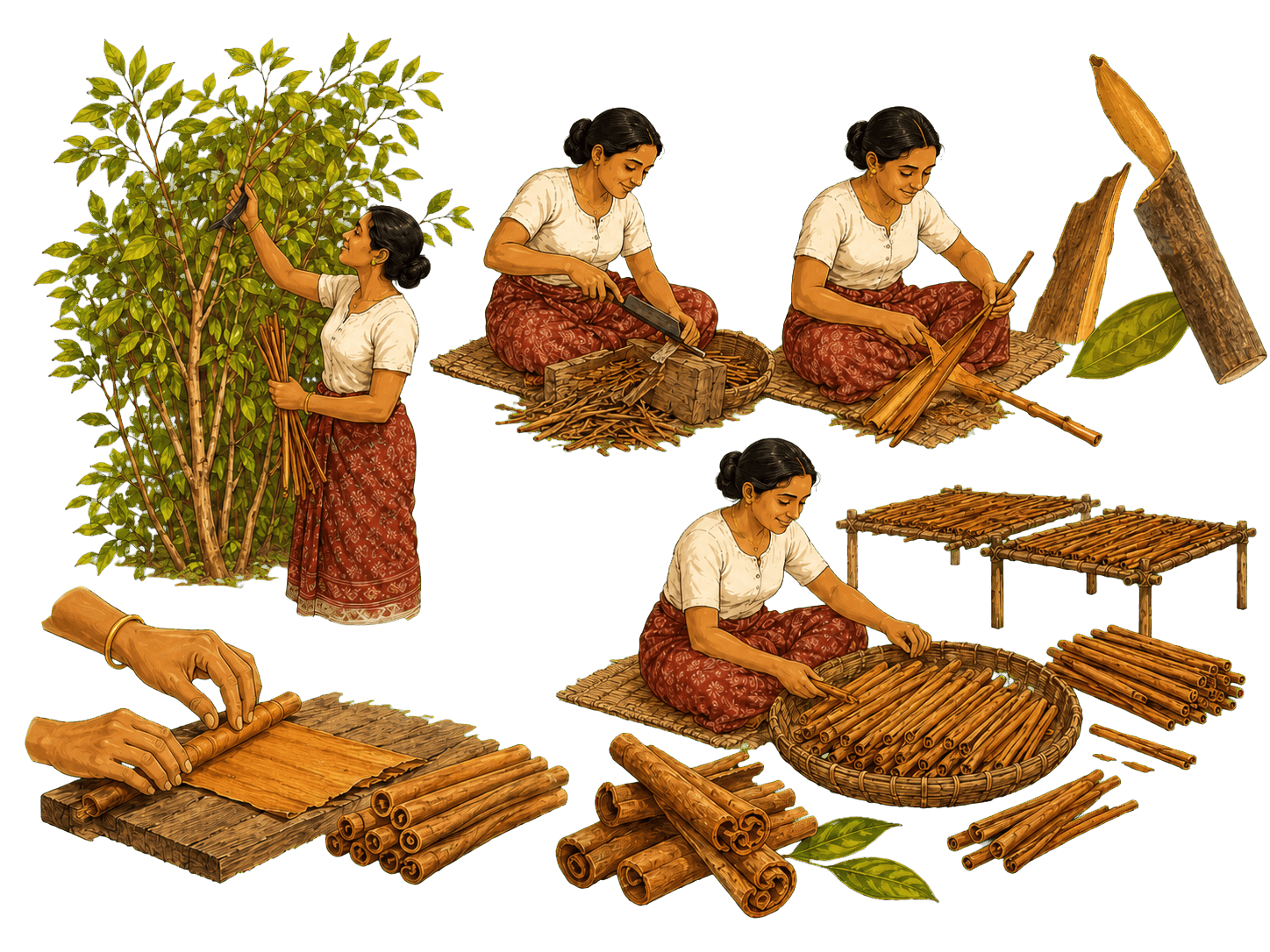
- Traditional processing involves harvesting, scraping, rubbing, peeling, rolling, filling, drying and grading.
- Drying time and conditions vary by environment and product condition.
- Diameter alone does not establish the complete grade.
- Sri Lankan origin and traditional processing do not automatically prove a specific farm, harvest date or lab result.
Seven-stage process timeline
Selecting and harvesting stems
A plantation's first harvest can normally begin two to three years after planting. Under good management, harvesting may occur two or three times per year, but timing varies with the agroecological zone and rainfall. Suitable stems are cut cleanly at an angle and green immature portions, side branches and leaves are removed before processing.
Scraping the outer bark
The brown outer bark is scraped from the stem while keeping the stem off the ground as much as practical to reduce contamination. This exposes the layer that will be prepared for peeling.
Loosening and peeling the inner bark
The scraped stem is rubbed with a brass rod to loosen the bark from the wood. Cuts are made with the traditional peeling knife, and bark may be removed in wider sheets or narrower strips depending on the material and intended product.
Forming and filling the quill
Peeled bark pieces are layered together and smaller pieces of cinnamon bark are used as filling. This creates the distinctive multi-layered Ceylon cinnamon quill. Traditional quills may be prepared at 42 inches or 21 inches.
Shade drying
Newly formed quills are shade-dried on clean strings, racks or nets. The Department of Cinnamon Development describes a drying period of approximately four to seven days and guidance that quills should reach 14% moisture or below. Environmental and product conditions vary.
Cutting and grading
Whole quills are graded using maximum quill diameter, the minimum number of 42-inch quills required to make one kilogram, and maximum permitted surface foxing. Diameter alone does not establish the complete grade.
Product forms after processing
Finished cinnamon may be supplied as whole quills, cut quills, quillings, featherings, chips or ground cinnamon, each requiring an agreed specification.
Traditional tool glossary
| Tool | Use |
|---|---|
| Keththa | Used for cutting stems. |
| Surana Koketta | Used for scraping the outer bark. |
| Brass rod | Used to rub and loosen bark. |
| Thalana Koketta | Used to cut and lift bark from the wood. |
| Pethi Kotuwa | Used to measure traditional quill lengths. |
Product forms after processing
| Form | Meaning |
|---|---|
| Whole quills | Approximately 42-inch layered sticks classified by grade. |
| Cut quills | Whole graded quills cut to an agreed shorter length. |
| Quillings | Whole quills broken into pieces shorter than 200 mm. |
| Featherings | Small inner-bark pieces that break away during preparation and handling. |
| Chips | Mature hard bark that cannot be peeled in the conventional way. |
| Ground cinnamon | Dried cinnamon bark reduced to powder under an agreed specification. |
What the process does not prove
Traditional processing and Sri Lankan origin do not automatically prove a specific farm, harvest date, grade, certification, microbiological status or chemical composition. Those claims require records, inspection or testing for the relevant product or consignment.
How CeyQuills presents product information
For each quotation, CeyQuills confirms the product form, requested grade reference, quantity, packing, available lot information and applicable shipment documents. Information is stated only when it can be supported for the product being offered.
Sources and further reading
Related guides
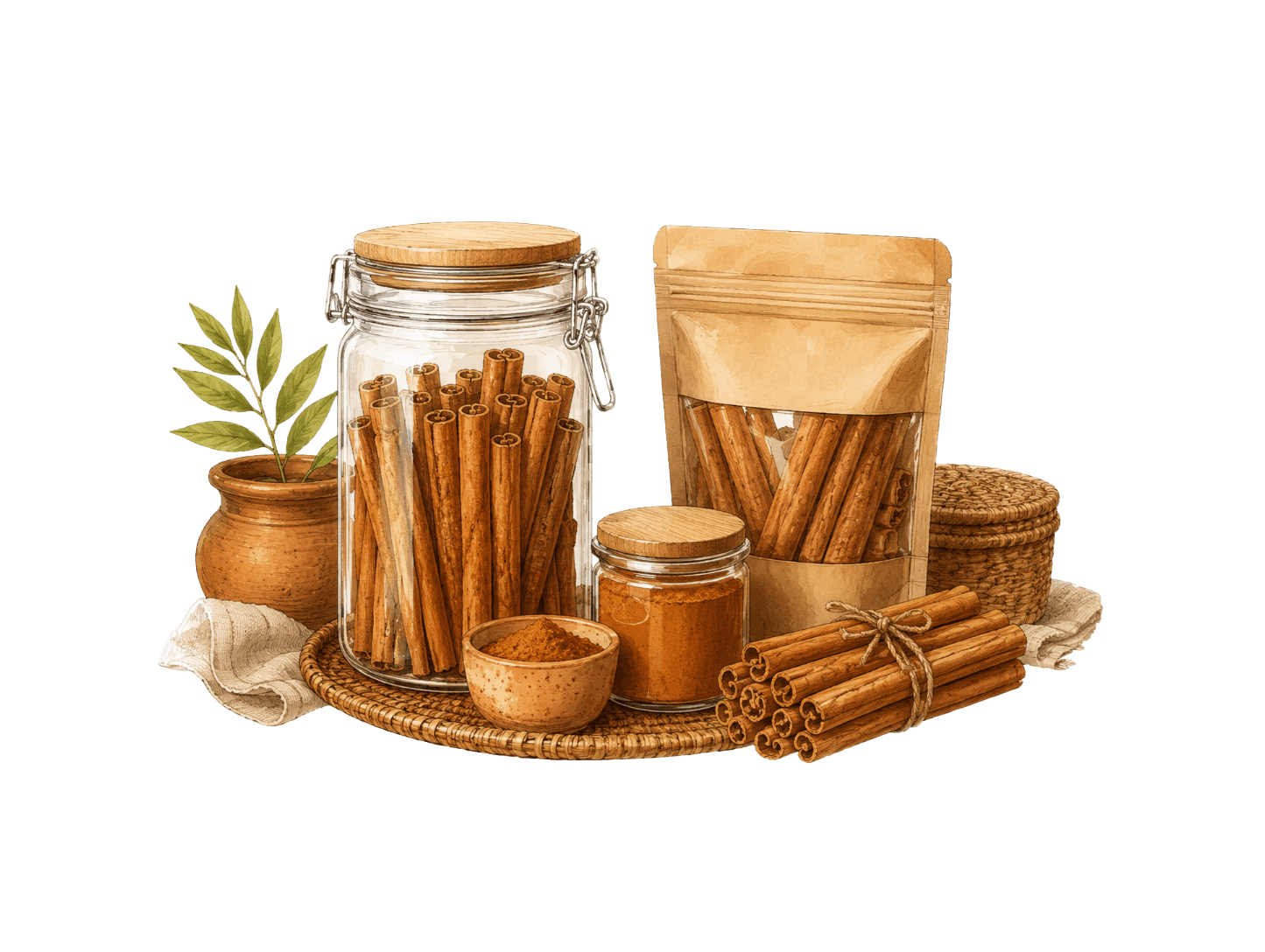
How to Store Cinnamon
Protect whole quills and powder from moisture, heat, sunlight, contamination and aroma loss.
7 min read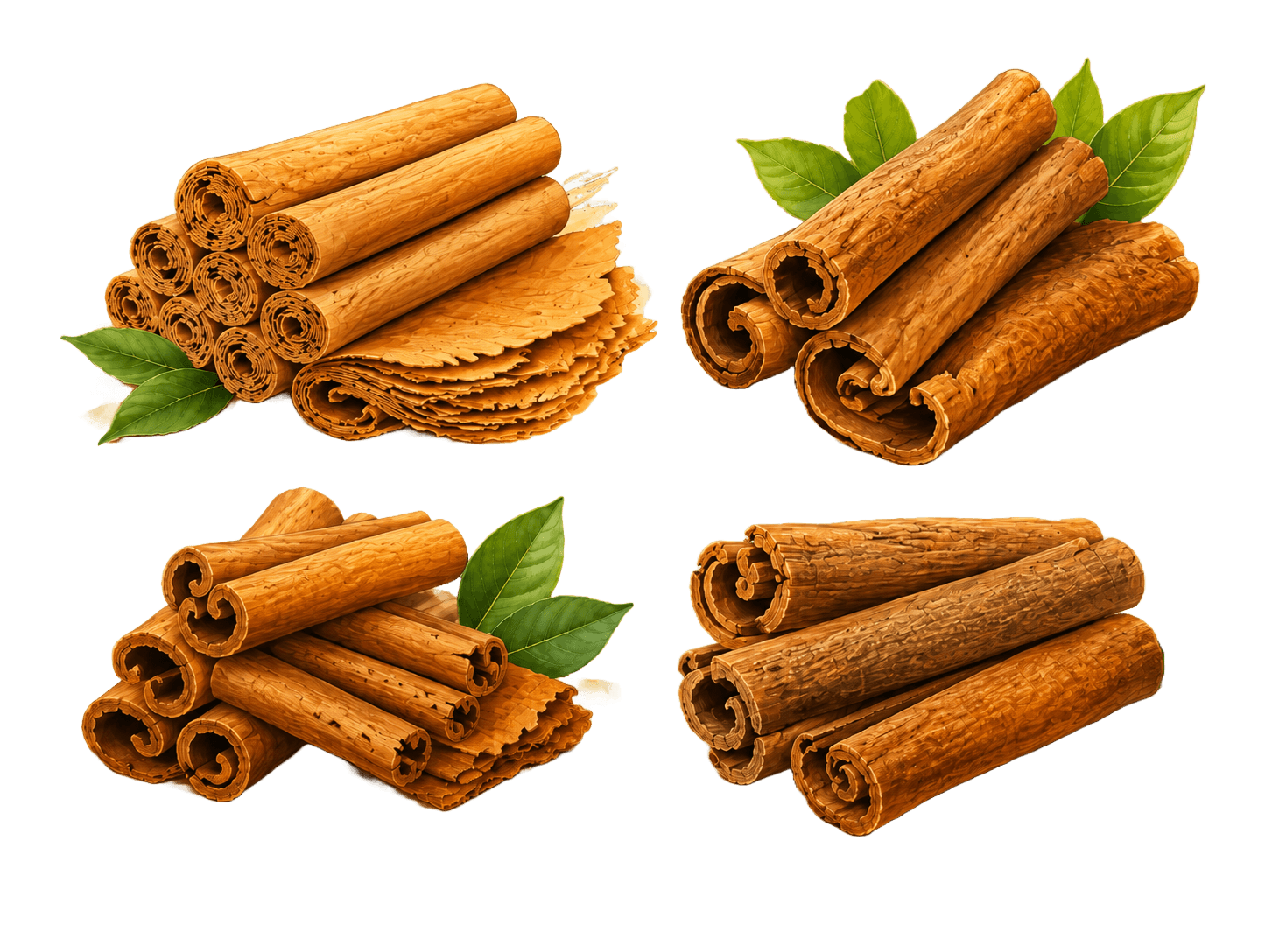
The Four Main Commercial Types of Cinnamon
Compare Ceylon, Chinese cassia, Indonesian Korintje and Vietnamese Saigon cinnamon.
8 min read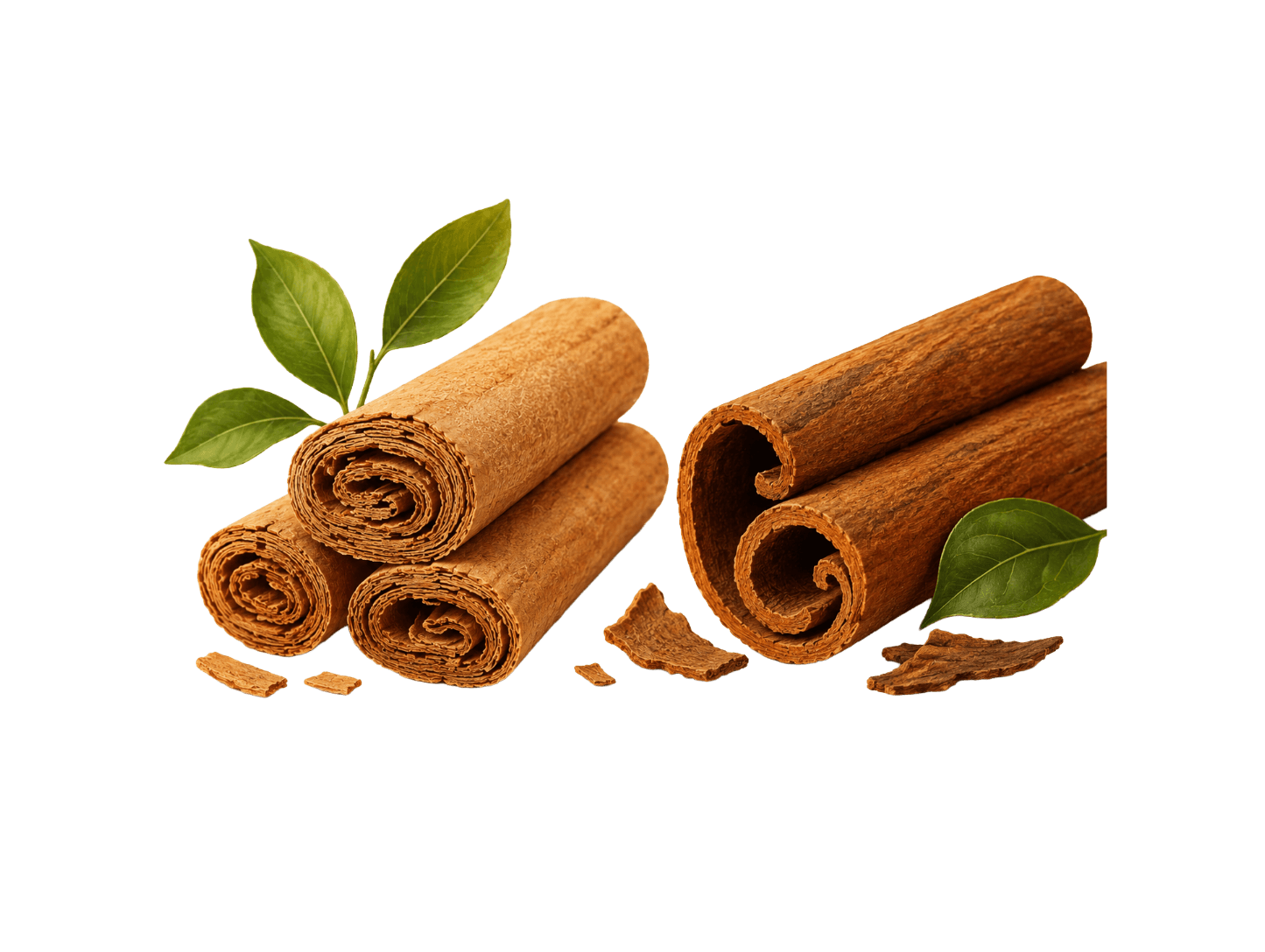
Ceylon Cinnamon vs Cassia
Learn how bark structure, botanical species, flavour profile and the coumarin discussion differ between Ceylon cinnamon and common cassia varieties.
7 min read